[Note: All footage is from a work-in-progress alpha build.]
Having had the opportunity to preview The Outer Worlds 2, it's evident that developer Obsidian Entertainment has prioritized enhancing the RPG elements of the game. While the original game offered a more streamlined approach to character development, the sequel aims to encourage players to embrace unique and unconventional playstyles. The Outer Worlds 2 isn't just about complexity for its own sake; it's about fostering creativity and allowing players to specialize in their chosen skills and make bold, sometimes quirky decisions.
In a discussion with design director Matt Singh, he emphasized the team's goal to encourage experimentation with various character builds, whether they be traditional or unconventional. "We're looking for ways to incentivize the player to experiment with different builds, either traditional or non-traditional," Singh explained. He further elaborated on the game's broader approach, stating, "We really wanted to lean into synergies, looking at how player Skills, Traits, and Perks can all infuse into interesting builds that play off of other systems." This approach was showcased in our exclusive 11-minute gameplay footage, highlighting new elements like gunplay, stealth, gadgets, and dialogue. As part of our IGN First coverage on The Outer Worlds 2, we're delving deeper into the revamped RPG mechanics and what players can expect.
Rethinking the Skill System ---------------------------Lead systems designer Kyle Koenig reflected on the first game's experience, noting, "We would often see characters good at everything, which by the end of the game, minimized your personal experience with your character." To address this, Obsidian has shifted from the original's grouped Skill categories to individual Skills with more pronounced differences. "We wanted to focus on making each individual level-up and investment really important. There's less confusion on when I should invest in one Skill or the other. If I want to be a player that's all about guns and using medical devices, I know which Skills I really need to care about. By having them separated and not in groupings, it lets characters be more specialized," Koenig explained.
Singh added, "There's more than just a traditional stealth-focused build, combat-focused build, or speech-focused build. There's a lot of blending of concepts, playing with other systems and incorporating those into a pretty broad, but unique range of different player profiles." He highlighted how investments in Skills can manifest in other ways, such as Observation, which can reveal hidden elements in the environment like secret doors or interactive objects, leading to alternative gameplay paths.
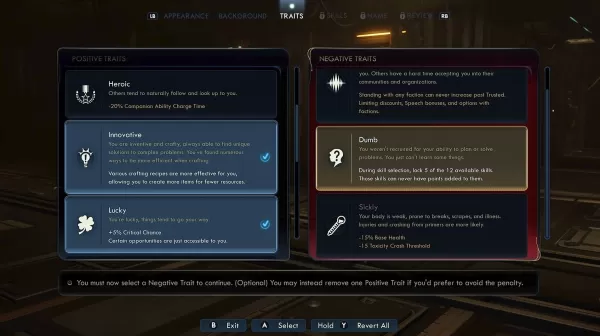
The Outer Worlds 2 Character Creation - Screenshots
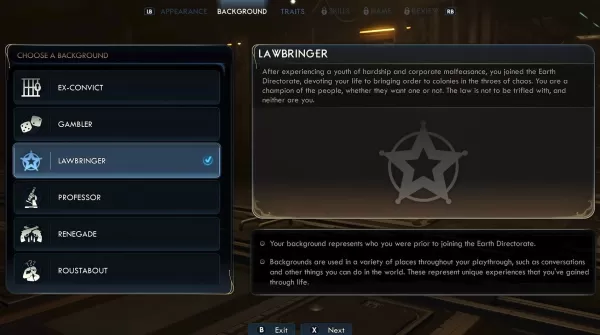 4 Images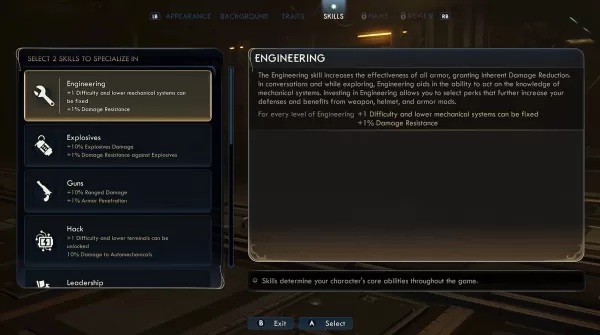
 While this may seem standard for RPGs, The Outer Worlds was unique in its approach to Skill grouping. The sequel's revised Skill system aims to create greater distinctions and open up more possibilities for character builds, especially in conjunction with the revamped Perks system.
The Perks of Getting Experimental
Obsidian's focus on specificity and unique gameplay avenues is evident in the Perks system. "We've significantly increased the number of Perks with over 90 of them – each of those requiring various Skills to unlock. As you invest in Skills, it changes how you can invest in Perks and leads you down many different paths," Koenig explained. He provided examples such as the Run and Gun Perk for players favoring shotguns, SMGs, and rifles, which allows firing while sprinting or sliding, and can be combined with Tactical Time Dilation (TTD) for bullet-time action. Another Perk, Space Ranger, offers dialogue interactions and damage boosts based on the Speech stat. "The way we looked at them when designing them was to look at what are all the different modes of gameplay the player has, and what are all the actions they can take and how can we modify them," Koenig stated.
The Outer Worlds 2 encourages players to be creative and specialized in their choices, even embracing unconventional decisions. "We have a lot of Perks that are catered towards non-traditional play styles," Singh mentioned, citing a build for players who eliminate every NPC they encounter. Such players can leverage Perks like Psychopath and Serial Killer, which provide permanent health boosts for this playstyle. "Especially in an Obsidian game where we allow you to kill anybody – the game's going to respond, it's going to roll with it, and you're going to still be able to complete the game. It's actually a really fun way to play in a second or third playthrough just to see how far you can take it," he added.
For those preferring traditional playstyles, Koenig discussed builds that exploit elemental combat aspects. Players can mix and match different damage types, such as using plasma to burn enemies while gaining healing, shock damage to control automechs, or corrosive damage to strip armor and deal critical hits.
Singh highlighted other experimental avenues, such as opting into detrimental effects that enhance other aspects of your character. He mentioned mechanics that reward players for taking damage, asking, "How do I construct a build where I'm actually incentivized to get in there and take damage so that I can then do other things effectively? I really like those kinds of creative builds that allow you to play with that idea and convert something that might be negative into a positive aspect of your build." This design philosophy, while present in the original, is a driving force in The Outer Worlds 2, particularly in relation to Traits and Flaws.The Positive and Negative Traits
Koenig discussed the influence of Fallout on The Outer Worlds, noting, "One of the things in The Outer Worlds that was a key off of Fallout was you could have negative attributes that would be actively detrimental to your character, but you get a few extra points to spend somewhere else." In the original, this was reflected through the Flaws system, where players could accept permanent effects based on their behavior in exchange for extra Perk points. The Outer Worlds 2 expands this concept further.
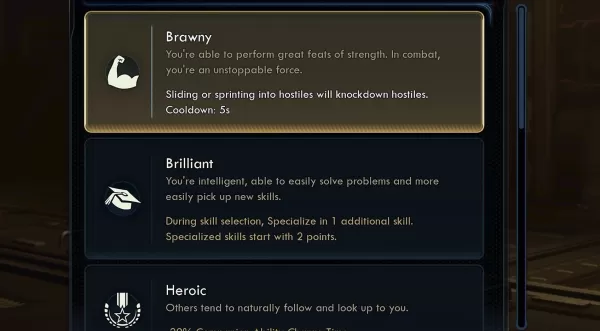
The game introduces a system of Positive and Negative Traits, where selecting a negative trait allows for an additional positive one. Examples include Brilliant, which grants extra Skill points at character creation, or Brawny, enabling you to knock down targets by sprinting into them. To gain more positives, players might choose negatives like Dumb, which prevents investing points into five Skills, or Sickly, which lowers base health and toxicity tolerance. These are just a few of the options observed in the early stages.
The Outer Worlds 2 Gameplay - Screenshots
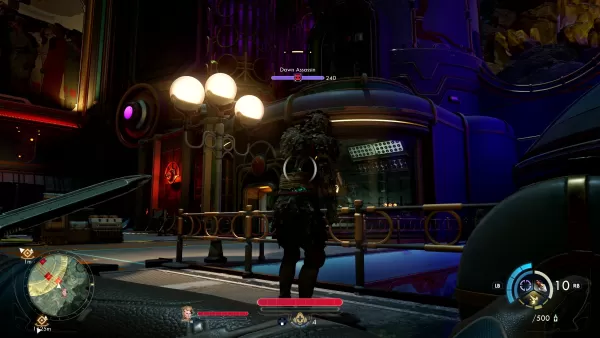
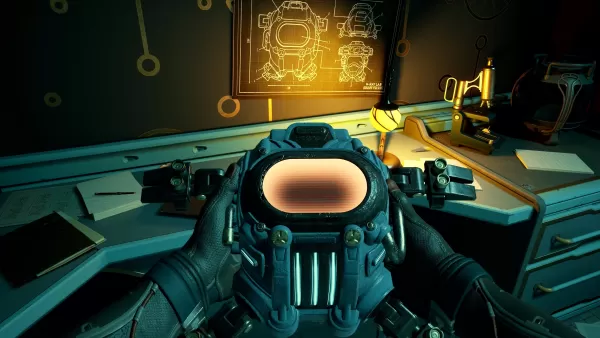 25 Images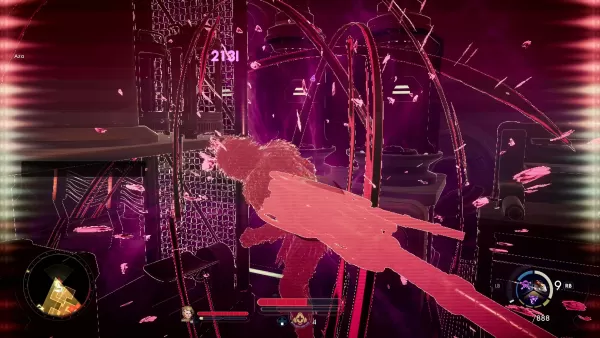
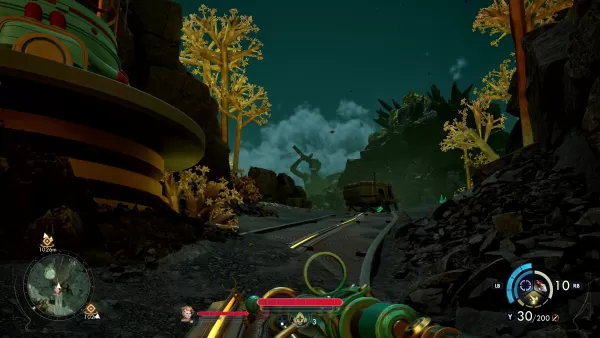
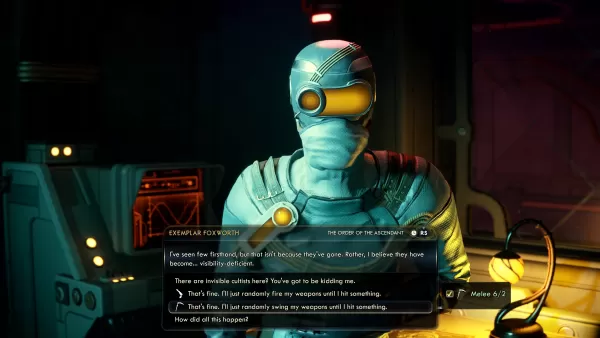
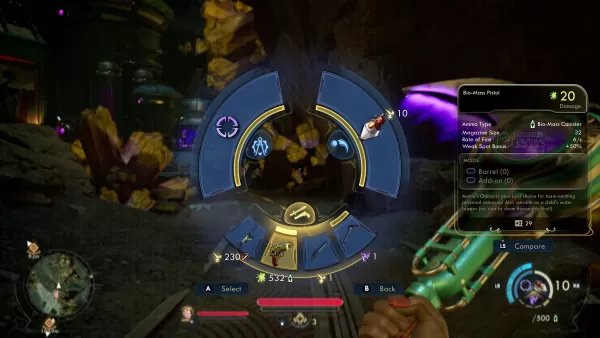 While a deeper exploration of the revamped Flaws system will be covered in a future article, it's clear that The Outer Worlds 2 is pushing the boundaries in creative and clever ways. In the original, I often declined Flaws due to their minimal benefits and significant compromises. In the sequel, the game continues to monitor player behavior and habits, but Flaws now come with specific conditions that are both positive and negative, adding another layer to the Traits system that emerges based on how you play. Players must opt into them, but they become a permanent aspect of the character.
Guiding Players and Ditching Respec
With the increased complexity in The Outer Worlds 2, Obsidian has focused on making these elements accessible and clear through in-game explanations and UI improvements. "Right from the get-go, from character creation, we really wanted to put in the forefront what are the differences of these skills and what they do," Koenig said. This clarity extends beyond help text to include short videos in the menus demonstrating gameplay impacts. A standout feature is the ability to mark Perks as favorites before unlocking them, aiding in planning and organizing progression paths. The interface intuitively displays Perk requirements and icons to signify their general playstyle and associated Skill.
"We're looking for ways to incentivize the player to experiment with different builds, either traditional or non-traditional,"Obsidian wants players to carefully consider their choices, especially since there is no respec option after the introductory sequence. "By removing respec, we really incentivize it to be your experience. It is a part of your experience that no one else had, and I think that's really special about RPGs and something that respec tends to lessen," Koenig explained.
Singh added, "Philosophy-wise, we really feel all of your choices should matter. They should be meaningful changes to your gameplay experience." He concluded, "This is just one of those ways where we're asking you to make a choice, stick to it, and see how that plays out in interesting and fun ways."