
Nintendo stands as a titan in the world of video games, renowned for its pioneering spirit and a legacy of creativity that spans decades. From its inception, Nintendo has continually pushed the boundaries of home console gaming, delivering a rich catalog of iconic IPs that maintain their charm even years after their initial release. With an exciting lineup of upcoming titles, Nintendo shows no signs of slowing down. The recent announcement of the Nintendo Switch 2 has sparked renewed interest in the company's storied history in the console market.
Below, we delve into a comprehensive list of every console Nintendo has ever launched, offering a nostalgic journey through their evolution and contributions to the gaming industry.
AnswerSee Results*Looking to save on a new Nintendo Switch or new titles for your system? Be sure to check out the best Nintendo deals available today.*How Many Nintendo Consoles Have There Been?
In total, 32 Nintendo consoles have been released throughout Nintendo's history. The Switch 2 will be the 33rd. We've included revision models for both home and handheld consoles, which include brandings like XL and Mini.
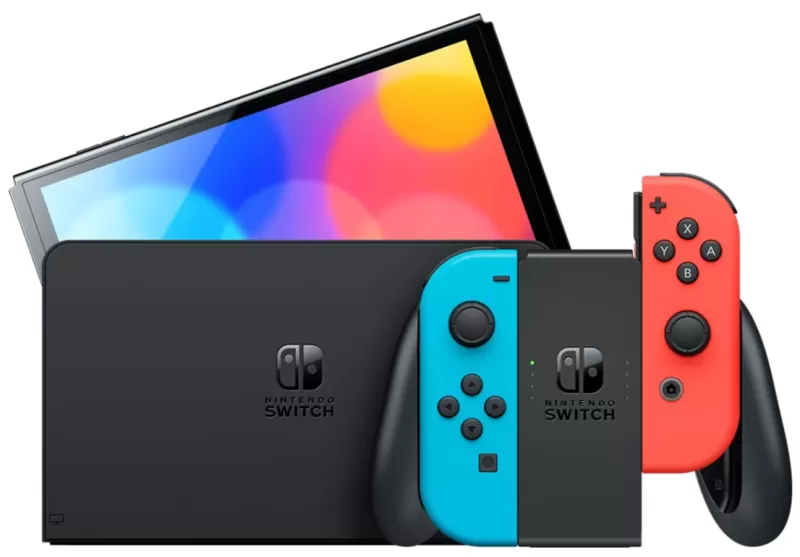 Latest Model### Nintendo Switch OLED (Neon Blue & Red)
4See it at AmazonEvery Nintendo Console in Order of Release
Color TV-Game - June 1, 1977
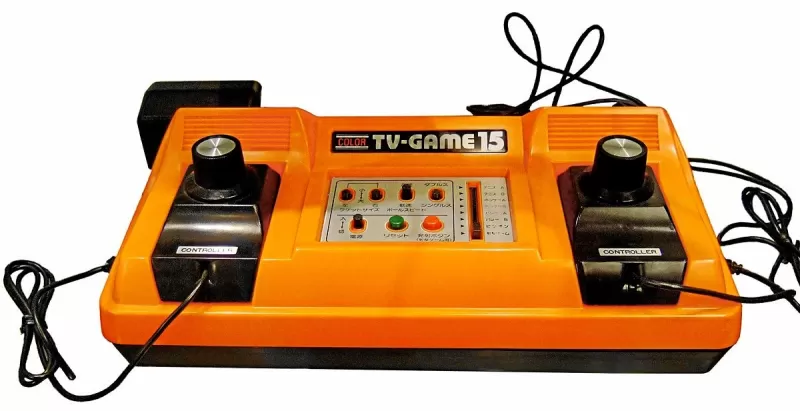 Nintendo's initial venture into gaming hardware, the Color TV-Game series, was a pioneering effort in collaboration with Mitsubishi Electronics. This partnership was crucial as Nintendo lacked hardware development experience at the time. The Color TV-Game systems were a commercial success, setting the stage for Nintendo's future focus on gaming hardware. Even nearly 50 years later, the impact of these early consoles resonates within Nintendo's ongoing commitment to innovation in gaming.
Game & Watch - April 28, 1980
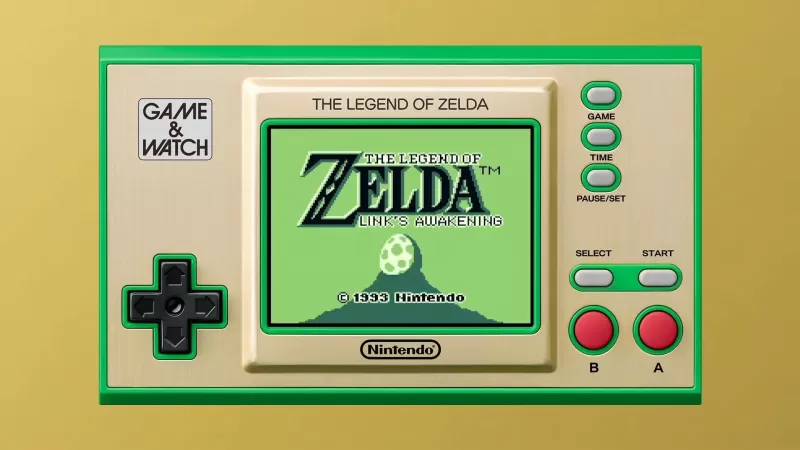 Nintendo's first handheld devices, the Game & Watch series, introduced a new era of portable gaming. Despite their simple design, these units sold over 40 million worldwide, introducing features like the D-Pad in the Donkey Kong model, which remain influential today. The series saw a revival with limited edition releases in 2020 and 2021, celebrating the anniversaries of Mario and Zelda.
Nintendo Entertainment System - October 18, 1985
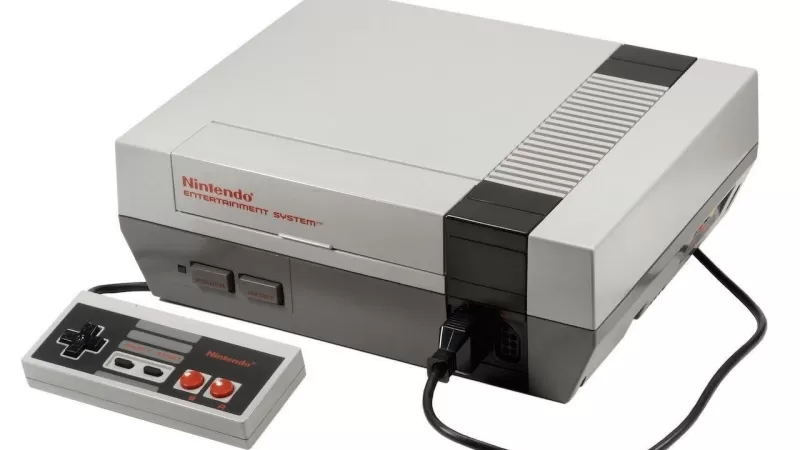 Launched in North America as the Nintendo Entertainment System (NES) and known as the Family Computer (Famicom) in Japan, this console revolutionized home gaming with its cartridge system. It laid the foundation for many beloved Nintendo franchises such as Super Mario, The Legend of Zelda, and Metroid, cementing its place as a cornerstone of video game history.
Game Boy - July 31, 1989
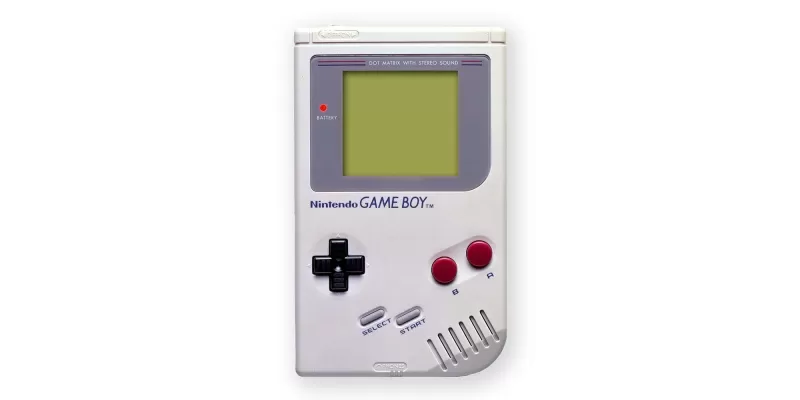 With the Game Boy, Nintendo introduced a true handheld gaming experience to North America in the summer of 1989. This console advanced beyond the Game & Watch by supporting game cartridges, offering players the freedom to choose from a variety of titles. Tetris, bundled with the system in many regions, became synonymous with the Game Boy's success.
Super Nintendo Entertainment System - August 23, 1991
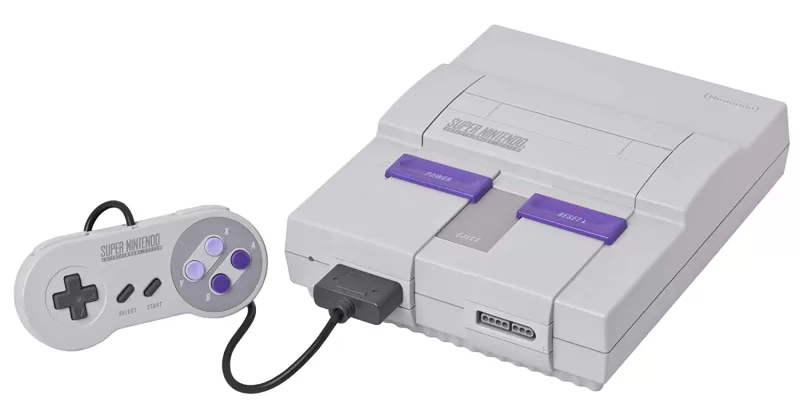 Marking Nintendo's entry into 16-bit gaming, the Super Nintendo Entertainment System (SNES) brought significant advancements to the gaming world. Iconic titles like Super Mario World and Donkey Kong Country were released during this era, contributing to the SNES becoming the best-selling console of its generation despite a later launch.
Virtual Boy - August 14, 1995
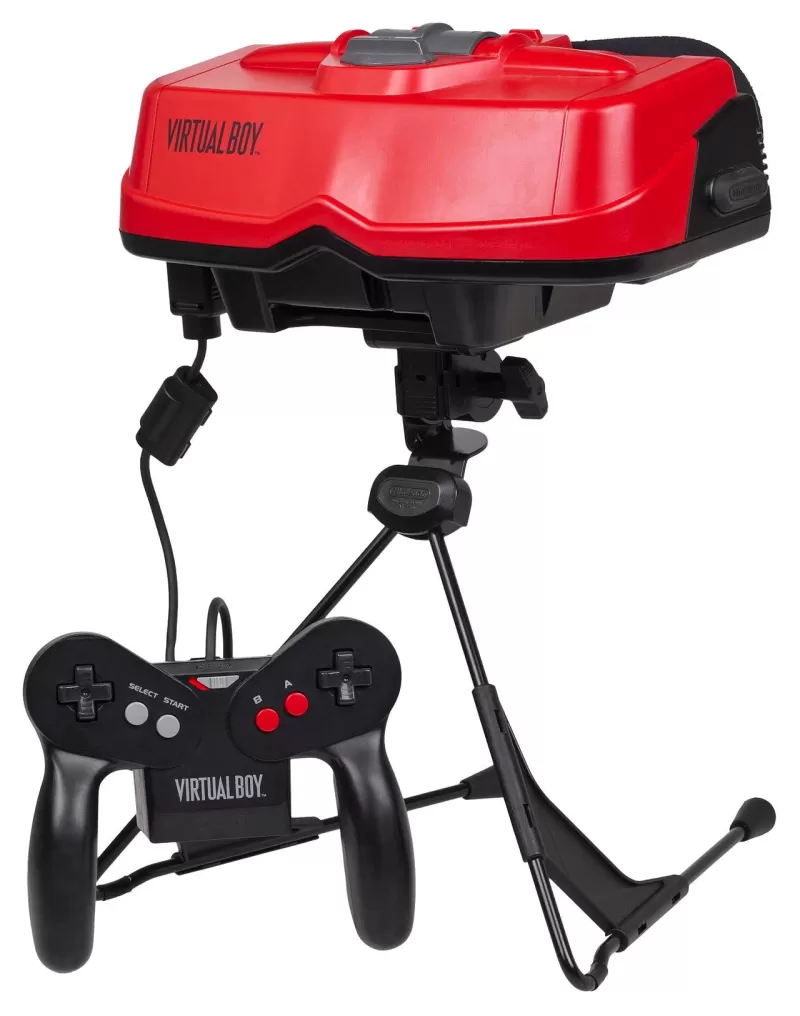 Perhaps Nintendo's most unconventional console, the Virtual Boy attempted to bring 3D visuals to portable gaming. With a limited library of just 22 games, including notable titles like Mario's Tennis and Virtual Boy Wario Land, it was discontinued after only a year, selling just under 800,000 units.
Game Boy Pocket - September 3, 1996
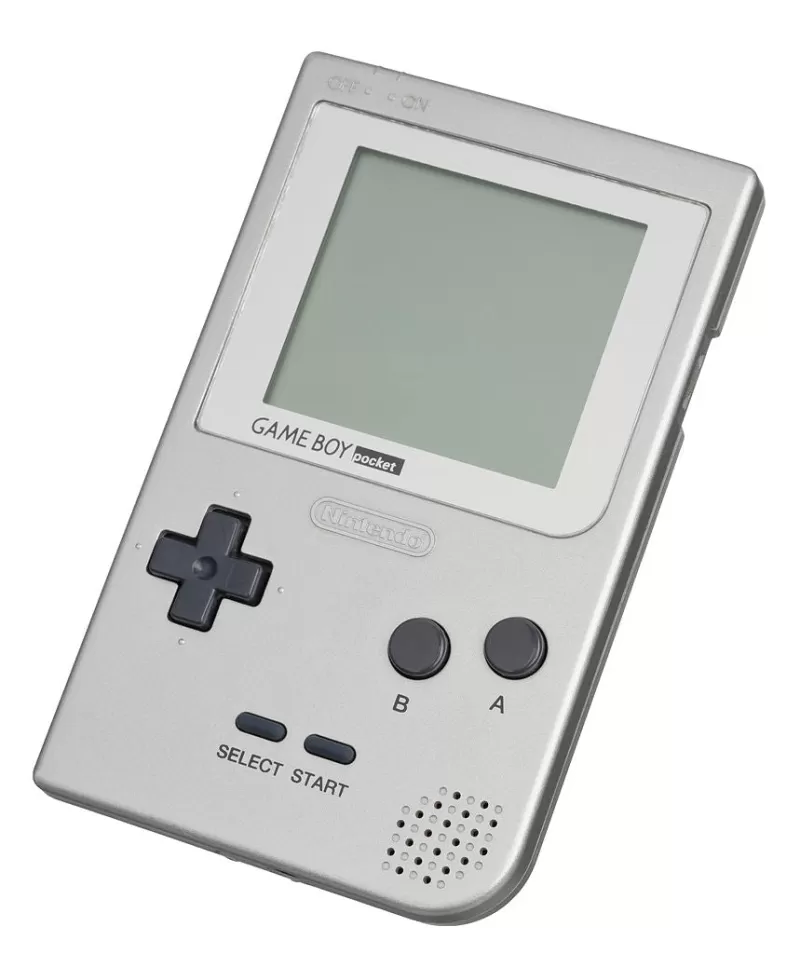 A more compact version of the original Game Boy, the Game Boy Pocket featured an improved black-and-white screen and enhanced hardware for better display response times. However, its smaller size resulted in a shorter battery life compared to its predecessor.
Nintendo 64 - September 29, 1996
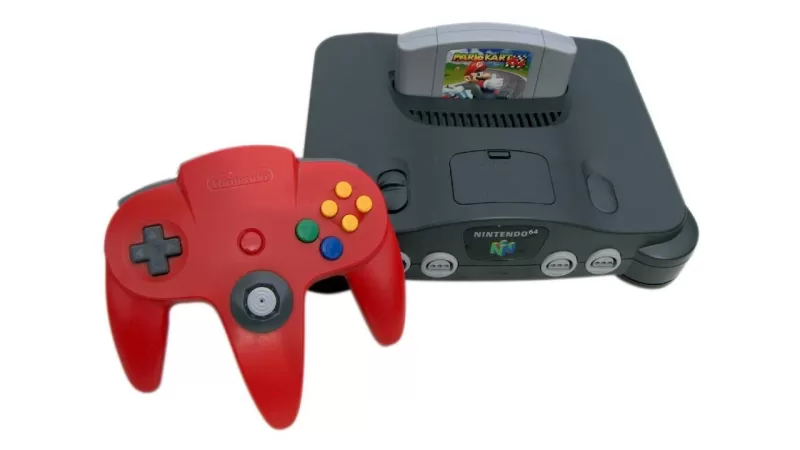 Introducing 3D graphics to Nintendo's home console lineup, the Nintendo 64 was a game-changer with titles like Super Mario 64 and The Legend of Zelda: Ocarina of Time. Its innovative controller with an analog stick set new standards in gaming control, and the console was known for its various special edition releases.
Game Boy Light - April 14, 1998
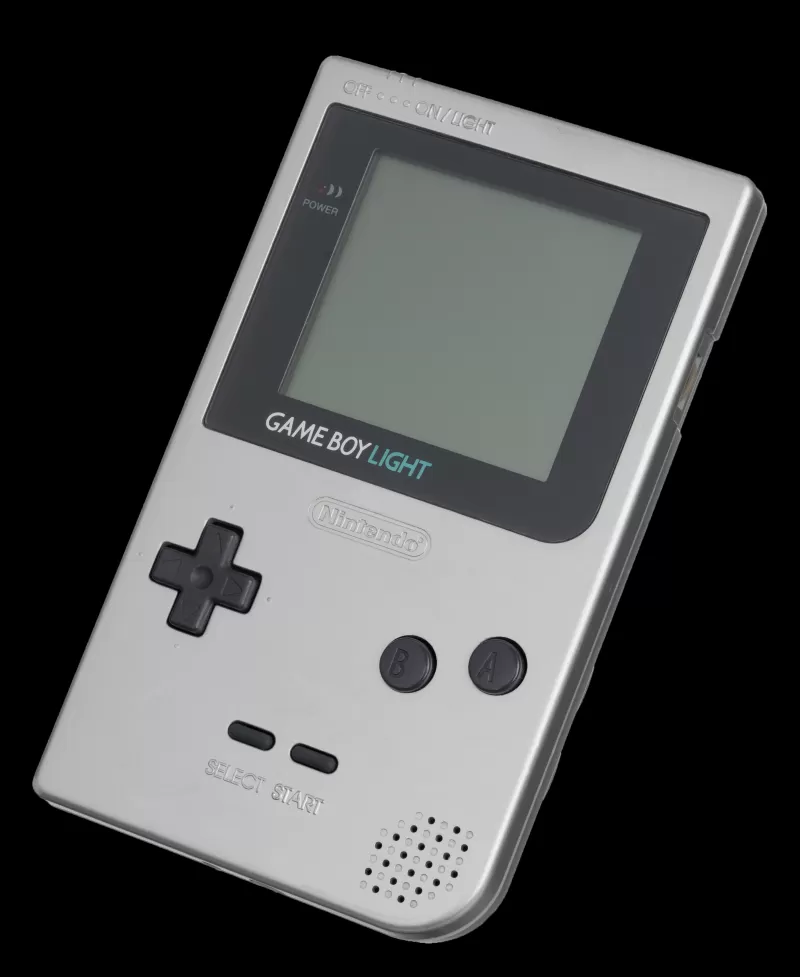 Exclusive to Japan, the Game Boy Light was larger than the Game Boy Pocket but included a backlight for better visibility in low-light conditions. This feature extended its battery life to around 20 hours, making it a unique offering in the Game Boy family.
Game Boy Color - November 18, 1998
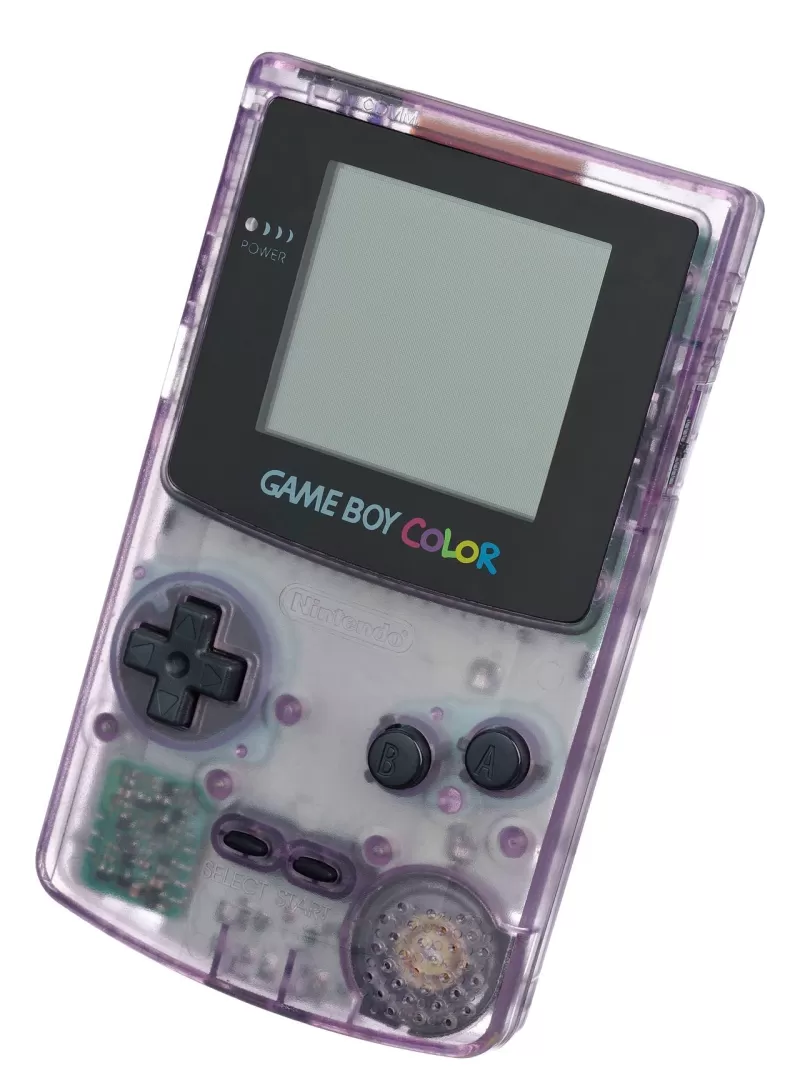 Bringing color to the handheld market, the Game Boy Color was backward compatible with all Game Boy games, enhancing the gaming experience with vibrant colors. It also supported new games designed specifically for its capabilities, expanding the library significantly.
Game Boy Advance - June 11, 2001
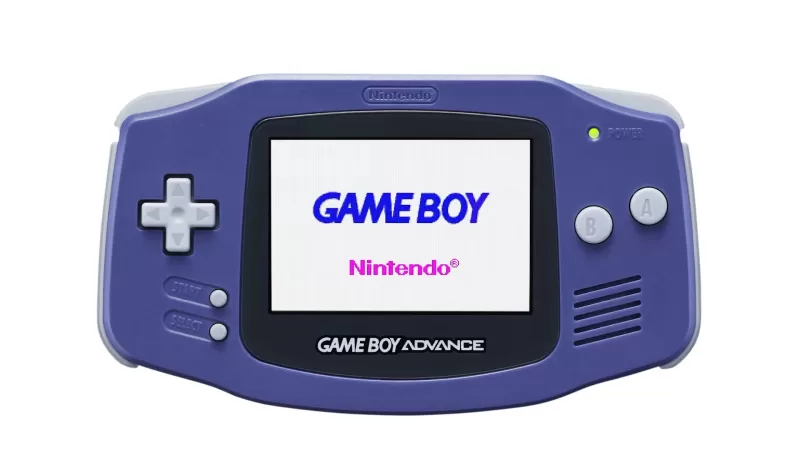 With the Game Boy Advance (GBA), Nintendo made a significant leap in handheld technology, introducing 16-bit graphics and a horizontal design. Backward compatibility with Game Boy and Game Boy Color games further enriched its extensive library, making it a favorite among gamers.
Pokémon mini - November 16, 2001
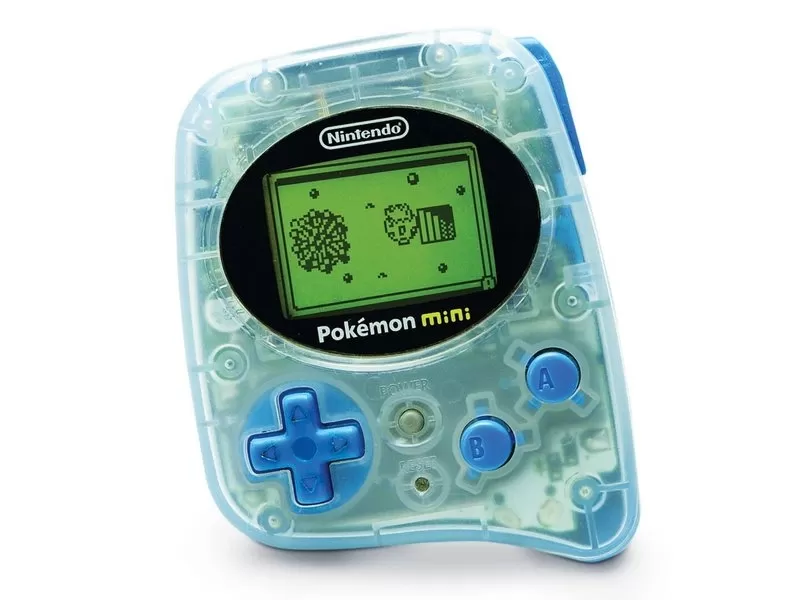
Nintendo GameCube - November 18, 2001
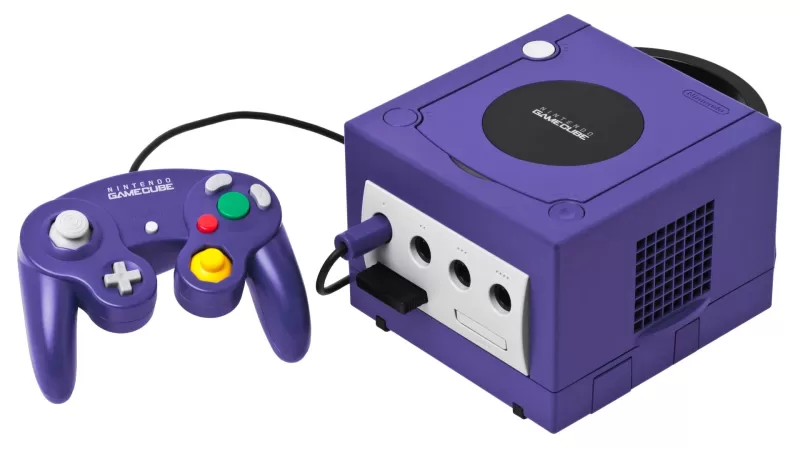 Building on the success of the Nintendo 64, the GameCube introduced sequels to popular titles and new franchises like Animal Crossing. It transitioned from cartridges to discs and featured an improved controller with rumble and analog triggers, leaving a lasting impact on the gaming industry.
Panasonic Q - December 14, 2001
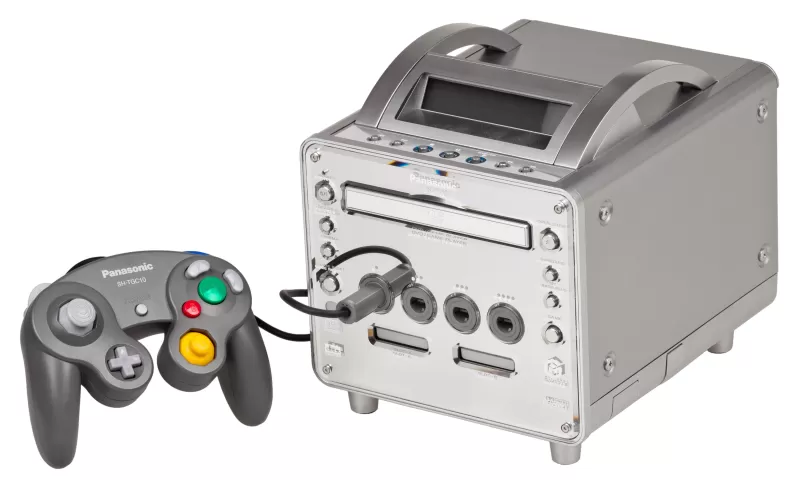 A collaboration between Panasonic and Nintendo, the Panasonic Q combined a GameCube with a DVD player. Its sleek stainless steel design and front LCD panel were notable, but high costs and low sales led to its short market life.
Game Boy Advance SP - March 23, 2003
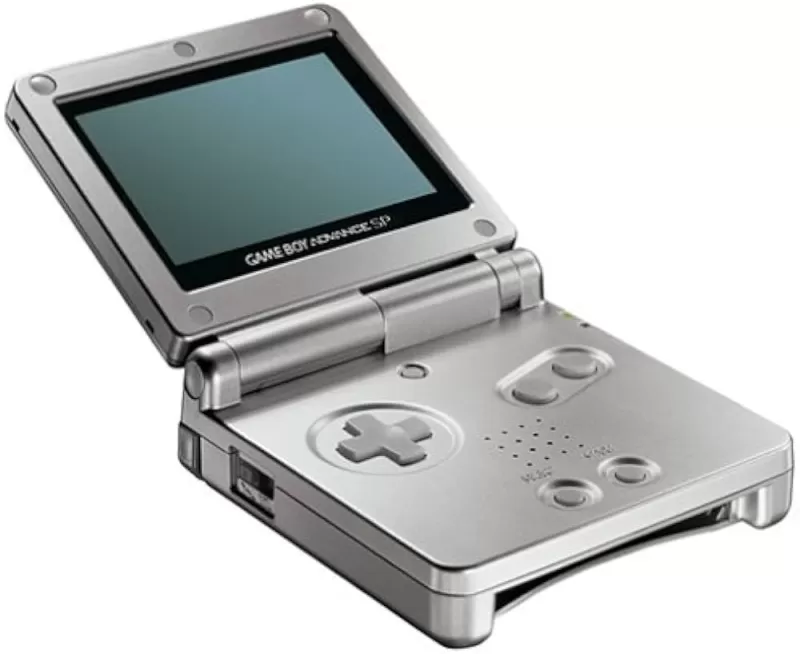 An evolution of the Game Boy Advance, the Game Boy Advance SP introduced a foldable design with the screen on the top and controls on the bottom. It featured a rechargeable battery and, in later models, a backlit screen, though it omitted a headphone jack, requiring an adapter for audio.
Nintendo DS - November 21, 2004
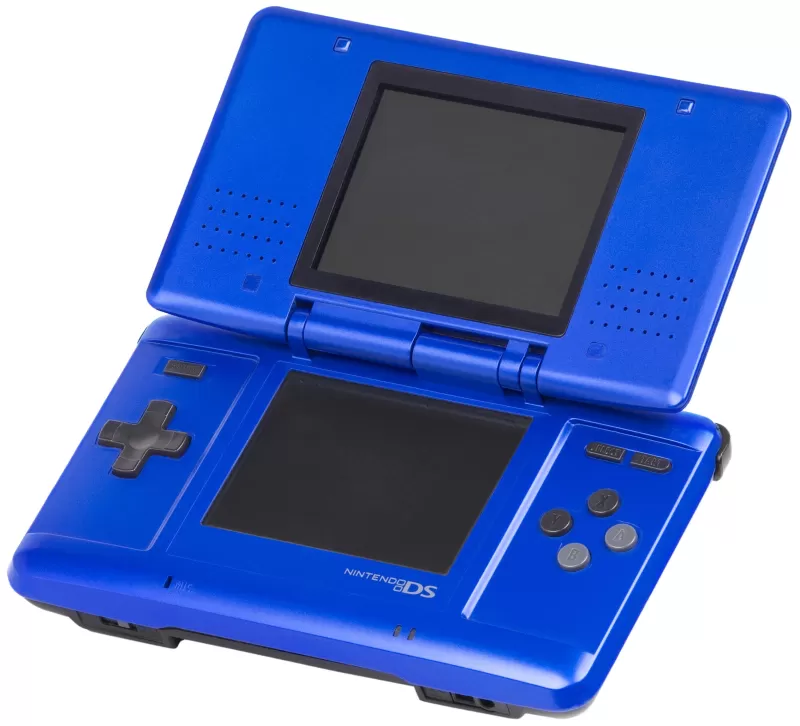 Launching the best-selling DS line, the Nintendo DS introduced Wi-Fi connectivity and a unique dual-screen design, with the bottom screen being a touchscreen. This innovative approach led to a diverse range of gaming experiences.
Game Boy Micro - September 19, 2005
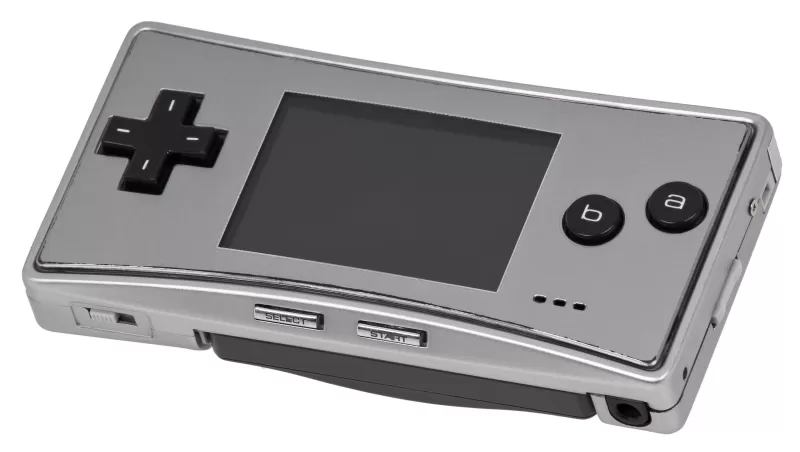 Revealed at E3 2005, the Game Boy Micro was a compact version of the Game Boy Advance, featuring a backlit screen with adjustable brightness. Despite its small size, it supported a wide range of games, selling 2.42 million units over 18 months.
Nintendo DS Lite - June 11, 2006
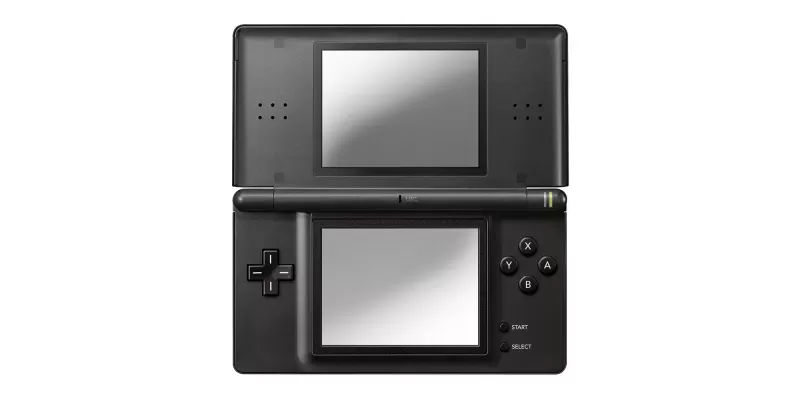 An updated version of the Nintendo DS, the DS Lite was slimmer, lighter, and featured brighter screens and improved battery life. These enhancements made it a popular choice among gamers.
Nintendo Wii - November 19, 2006
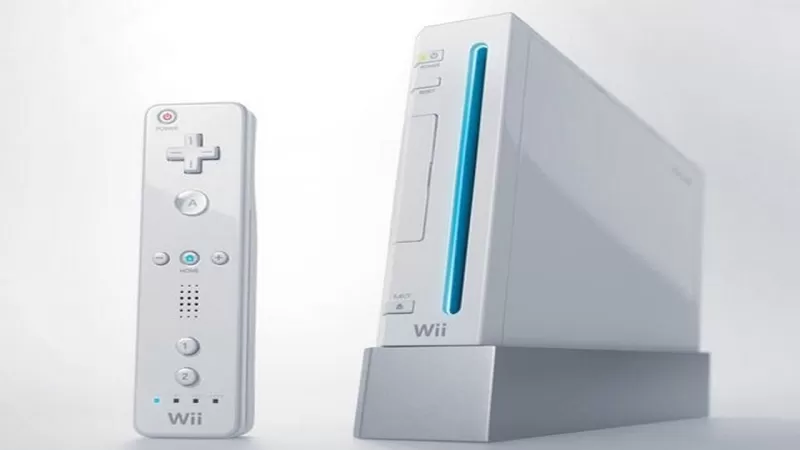 Revitalizing Nintendo's home console market, the Wii introduced motion controls through the Wii Remote, revolutionizing gameplay. It was backward compatible with GameCube titles and introduced the Virtual Console for digital downloads of classic games.
Nintendo DSi - November 1, 2008
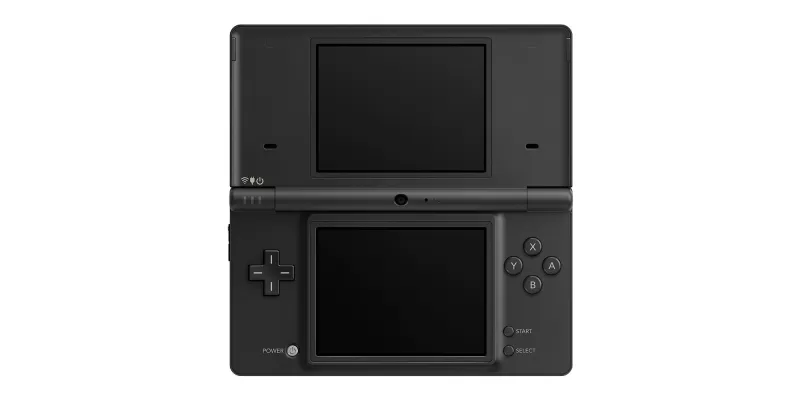 An evolution of the DS, the DSi added cameras and an SD card slot for additional storage. However, it removed the Game Boy Advance slot, marking a shift in Nintendo's handheld strategy.
Nintendo DSi XL - November 21, 2009
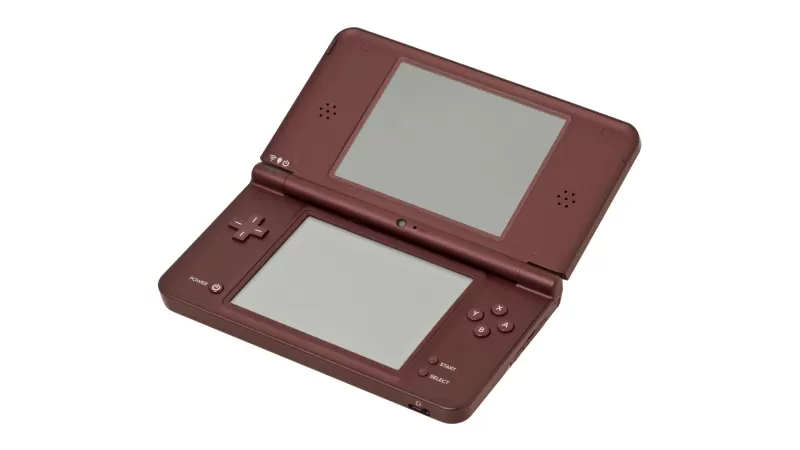 Larger than the DSi, the DSi XL featured wider screens and improved sound quality, enhancing the gaming experience. Its larger battery also allowed for extended playtime.
Nintendo 3DS - March 27, 2011
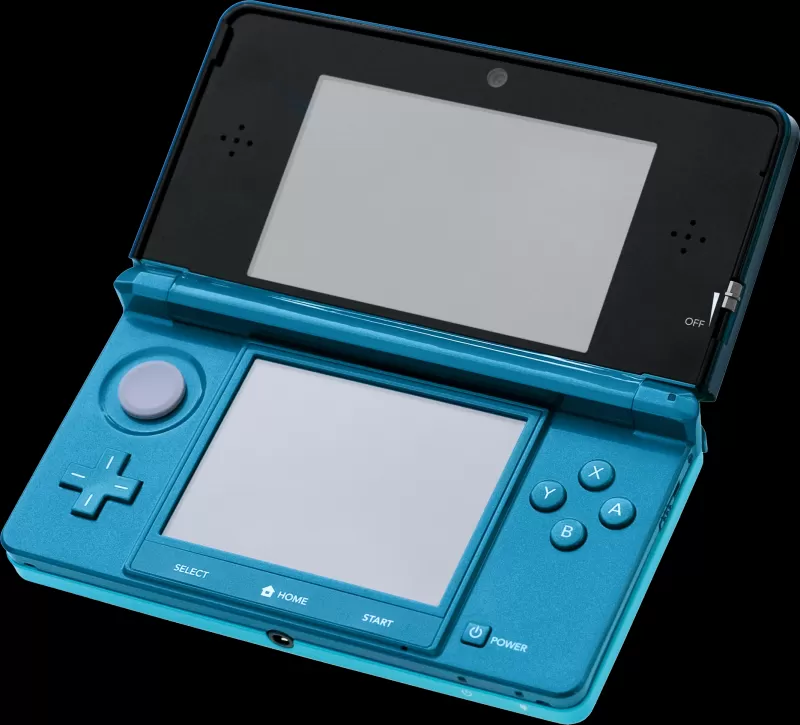 Following the DS line, the 3DS introduced stereoscopic 3D gaming without the need for glasses. It offered a robust library of games, including titles like The Legend of Zelda: A Link Between Worlds and Super Mario 3D Land.
Nintendo 3DS XL - August 19, 2012
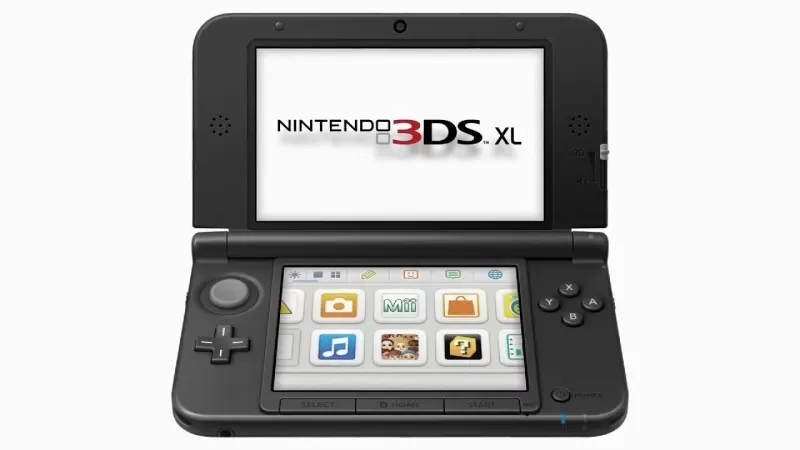 With screens 90% larger than the original 3DS, the 3DS XL provided a more immersive gaming experience while retaining all the features of its predecessor.
Nintendo Wii U - November 18, 2012
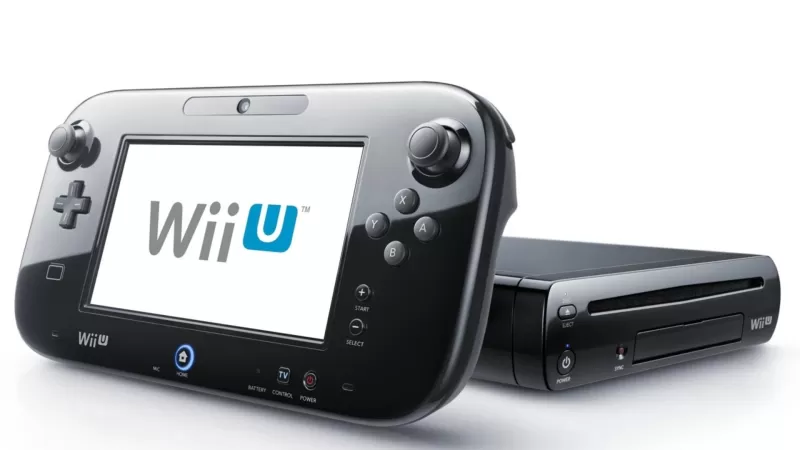 As the successor to the Wii, the Wii U introduced the GamePad controller with a built-in screen for off-TV play. It supported HD graphics and offered notable titles like Super Mario 3D World and Splatoon, though it struggled with sales due to marketing challenges.
Nintendo Wii Mini - December 7, 2012
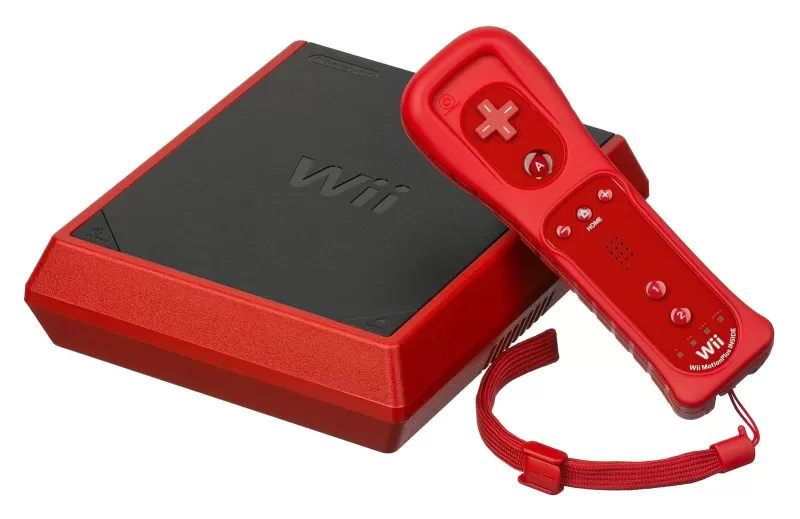 Released at the end of the Wii's lifecycle, the Wii Mini was a smaller, lighter version without GameCube support, Wi-Fi, or HD capabilities. It was primarily launched in Canada and select other regions.
Nintendo 2DS - October 12, 2013
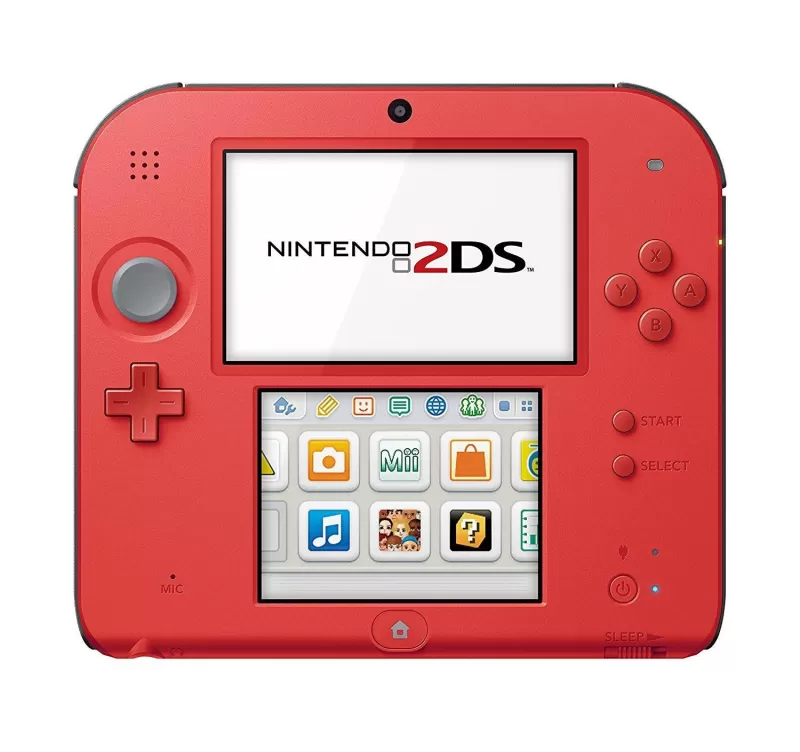 Offering 2D gaming at a lower price point, the 2DS removed the 3D feature of the 3DS but maintained compatibility with all 3DS games. Its design was more robust and suitable for younger gamers.
New Nintendo 3DS - October 11, 2014
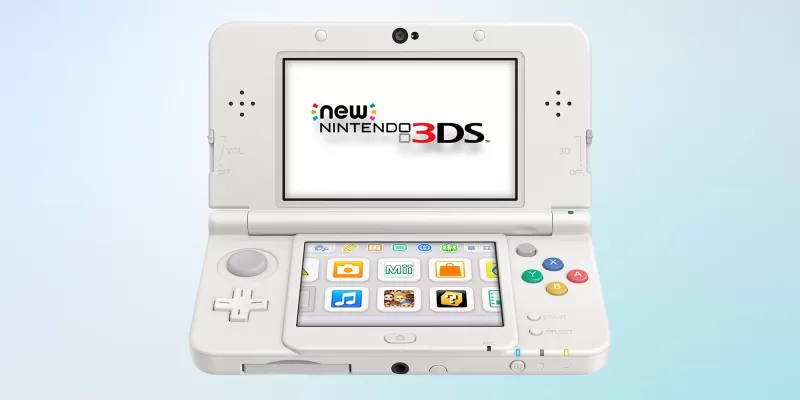 An upgrade to the 3DS, the New Nintendo 3DS added new controls like the C-Stick and ZR/ZL buttons, along with NFC support for amiibo. It was released in various regions over time, with North America receiving it later.
New Nintendo 3DS XL - February 13, 2015
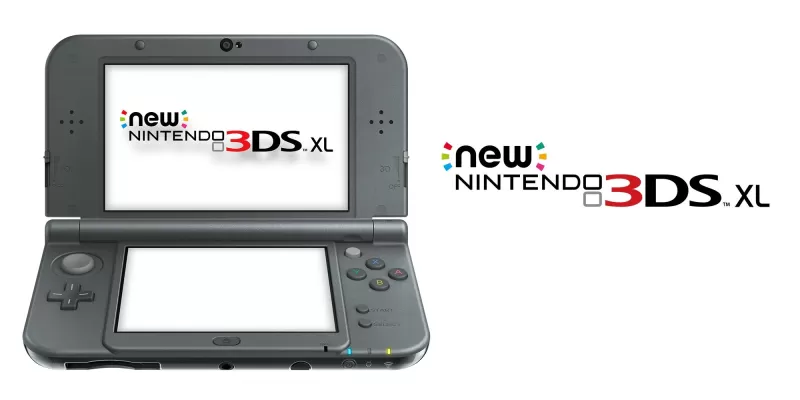 Larger than the New 3DS, the New 3DS XL offered bigger screens for a more immersive experience but removed the ability to change face plates, though it came in multiple special editions.
Nintendo Switch - March 3, 2017
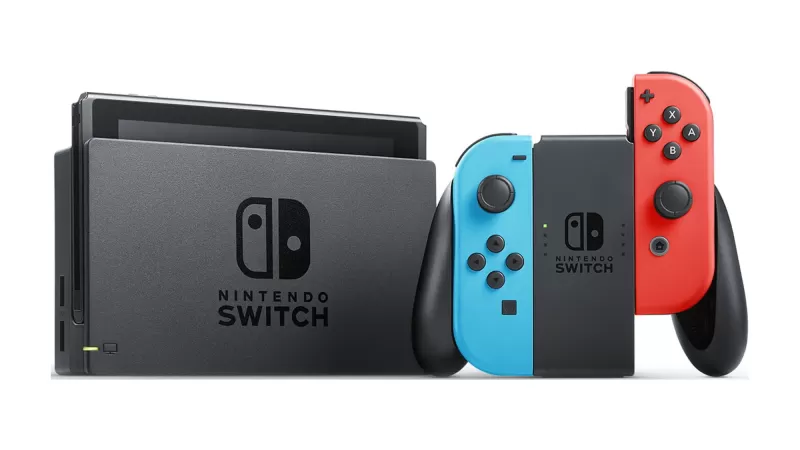 Combining the best of home and portable gaming, the Nintendo Switch revolutionized the industry with its versatile design. Its extensive library of first-party games and special editions have made it a standout console.
New Nintendo 2DS XL - July 28, 2017
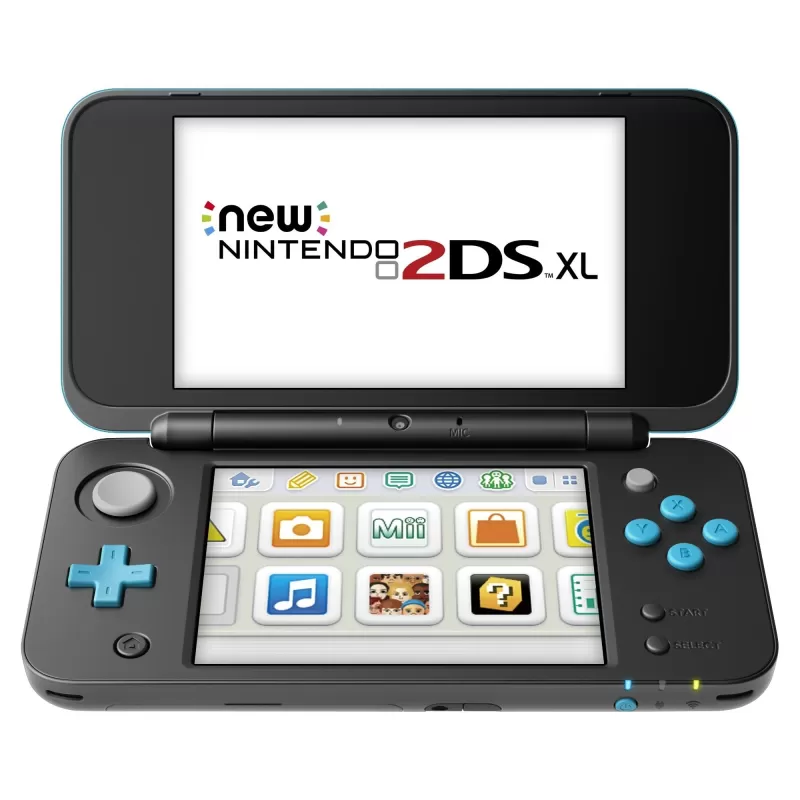 An update to the 2DS, the 2DS XL added an analog stick, shoulder buttons, and amiibo support, returning to the clamshell design and supporting New 3DS titles.
Nintendo Switch Lite - September 20, 2019
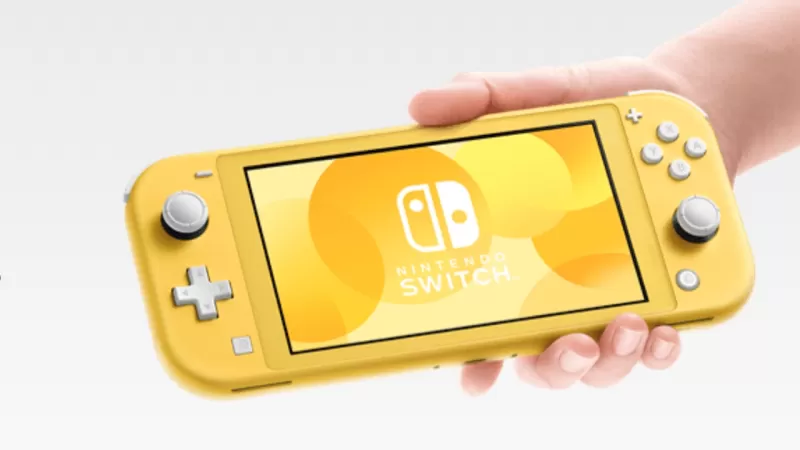 Designed for handheld play only, the Switch Lite featured a smaller body and built-in controllers, offering a more affordable option for gamers on the go.
Nintendo Switch OLED model - October 8, 2021
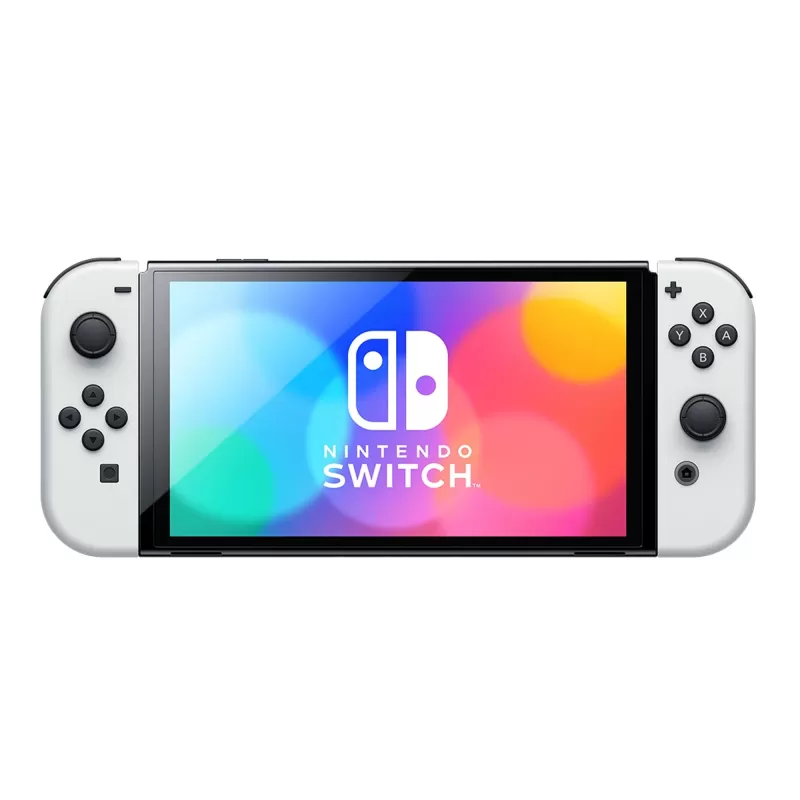 Enhancing the Switch experience, the OLED model introduced a larger, higher-quality screen, improved speakers, and a new dock with a LAN port, debuting alongside Metroid Dread.
Upcoming Nintendo Consoles
After years of speculation, Nintendo has officially unveiled the Nintendo Switch 2. The reveal trailer highlights a new method for attaching Joy-Cons, a larger screen, and an additional USB-C port. The ability to use Joy-Cons as a mouse suggests potential new gameplay mechanics, and the trailer hints at a new Mario Kart with 24-player support. The console promises to be "mostly" backward compatible, supporting both physical and digital games.Analysts estimate the Switch 2 will be priced around $400. Based on the trailer, we've gathered all the known details, but more information, including a release date, is expected during a Nintendo Direct scheduled for April 2.
AnswerSee Results




![Amy’s Ecstasy [v0.45 Final]](https://imgs.daqiang.cc/uploads/07/1719551527667e462789d0f.jpg)