
"A Normal Lost Phone" – A Deep Dive into an Emotional Digital Mystery
“A Normal Lost Phone” isn’t just a game—it’s an emotional journey disguised as an interactive narrative. At its heart, it’s a quiet, haunting exploration of identity, loss, and the invisible threads that bind us to one another. As the anonymous finder of a smartphone, you’re not handed a mission with clear objectives or combat mechanics. Instead, you’re invited to sit in silence, scroll through someone else’s life, and slowly realize: this phone isn’t just a device. It’s a memory bank. A confessional. A last goodbye.
📱 The Premise: You’re Not the Player—You’re the Witness
You begin not by choosing a character, but by discovering one. The phone lies on a park bench, cracked screen glowing faintly. It belongs to Lauren, a teenager who vanished just before her 18th birthday—on the eve of a new beginning. As you unlock it, you're not playing as Lauren, but you become her confidant, her detective, her unintended guardian.
There's no tutorial. No HUD. Just the familiar rhythm of a smartphone: the ding of a text, the swipe to unlock, the pause before opening an email. This authenticity is key—you’re not observing a story. You’re living it through the smallest details.
🔍 The Power of the Mundane: Why It Feels Real
What makes A Normal Lost Phone so unforgettable is how it finds drama in the ordinary:
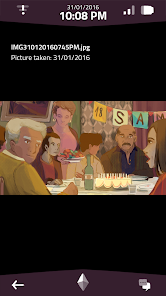
- A birthday photo of Lauren and her younger brother, both grinning, but her smile doesn’t quite reach her eyes.
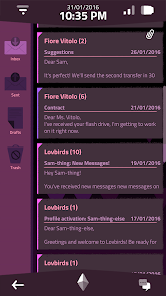
- A text thread with her best friend, full of inside jokes—then a chilling silence after one message: "I can't do this anymore."
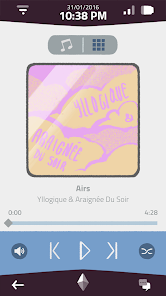
- An old voice memo labeled "for when I’m ready"—recorded in a trembling voice, playing for only a few seconds before cutting off.
- A calendar app with a single entry: "Today, I stop running." — dated the day she disappeared.
These aren’t just clues. They’re fragments of a soul trying to say something before vanishing.
🧩 The Puzzle of Identity: Who Was Lauren?
As you dig deeper, you realize that Lauren was not just a missing girl. She was:
- A queer teen navigating a world that didn’t always accept her.
- A caregiver to her younger brother, hiding her own pain behind jokes and routines.
- A journalist of her own life, documenting her fears, hopes, and dreams in notes, voice memos, and private journals.
- A child of divorce, caught between two homes, two identities, and the pressure to "be strong."
Her final days are laid bare not through grand revelations, but through quiet decisions: deleting an old photo, changing her profile picture, writing a letter she never sent.
And then, in the final moments, a single text appears:
"If you’re reading this… I’m sorry. I had to go. I just needed to be someone else for a while."
The game never tells you if she’s alive. It doesn’t give you closure. But it gives you something rarer: understanding.
🌐 The Interface as Storyteller
The smartphone simulation isn’t just a gimmick—it’s central to the theme.
- No jump scares. No violence. The tension comes from empathy. You feel guilty opening her photos, but you keep going—because you have to know what happened.
- The UI mimics real phone behavior: apps lag, messages load slowly, notifications pop up unexpectedly. These little imperfections make it feel real—like you’re really holding someone else’s phone.
- The absence of a "save" or "load" function is intentional. You can’t replay the story from the start—just like real life, once you’ve seen a secret, you can’t unsee it.
💔 Themes That Resonate Beyond the Screen
A Normal Lost Phone transcends gaming. It’s a meditation on:
- Privacy and intimacy: We all keep parts of ourselves hidden—on our phones, in our diaries. This game asks: What if someone finds yours?
- Mental health and invisibility: Lauren’s struggle isn’t dramatic—it’s quiet. She wasn’t “crazy.” She was overwhelmed. And that’s why her story hits so hard.
- The ethics of curiosity: You’re not supposed to read her messages. But you do. And once you do, you can’t un-know her.
🌿 Why the Game Lingers Long After You Close It
You don’t “beat” A Normal Lost Phone. You experience it. And that’s the point.
When the final screen fades to black—just a blank home screen with the word “Lauren” in the contacts—you’re left with a question:
What if I’d found her first?
The game doesn’t end when you close it. It lingers in your mind. You check your own phone more carefully. You text a friend just to hear their voice. You think about people you’ve passed on the street—about how much they might be hiding.
And in that way, the game becomes more than entertainment. It becomes a mirror.
📌 Final Thoughts
A Normal Lost Phone is not just one of the most original indie games of recent years—it’s a quiet revolution in storytelling. It proves that video games don’t need explosions or epic battles to be powerful. Sometimes, all it takes is a cracked screen, a forgotten password, and a voice memo that says, "I’m not okay."
⭐ Rating: 10/10 – A masterpiece of emotional design, empathy, and narrative innovation.
🎮 Best For: Fans of Dear Esther, Gone Home, What Remains of Edith Finch, and anyone who believes stories can change how we see the world.
"The most important thing isn’t what the phone says. It’s what it makes you feel."
— A Normal Lost Phone
📖 If you’ve played it: What did Lauren’s story make you feel?
📱 If you haven’t: Download it. Read it. And when you’re done… think about who else might be missing, just like her.