
Today's gamers have more options than ever before. While consoles and powerful gaming PCs remain top choices, the rise of handheld gaming devices alongside the gaming potential of everyday smartphones and specialized gaming phones makes mobile gaming impossible to overlook. Since your phone is always within reach, it naturally becomes a convenient gaming platform. But how do you choose a phone that delivers exceptional gaming performance? That's precisely what we investigate during our rigorous testing process, evaluating both mainstream devices and dedicated gaming phones. Below, we reveal our comprehensive testing methodology to separate the contenders from the pretenders.
Benchmarks
Benchmarking serves as the foundation of hardware evaluation. These standardized tests push devices to their limits under intensive workloads, delivering comparable scores (like average frame rates) that allow direct performance comparisons across different models.
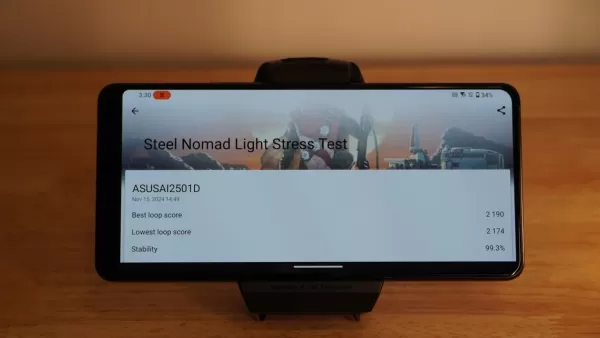
Our testing suite includes Geekbench 6 for assessing single-core and multi-core CPU capabilities, along with its GPU test using Vulkan (Android) and Metal (iOS). For gaming-specific performance, we utilize 3DMark's Wildlife Extreme, Steel Nomad Light, and Solar Bay (where compatible) to evaluate how phones balance CPU and GPU demands. A device with superior CPU performance might excel in Wildlife Extreme while lagging in Solar Bay if its GPU can't keep pace.
We conduct multiple benchmark runs and average the results, ensuring measurement consistency while revealing potential performance dips caused by thermal throttling – a common issue where excessive heat forces processors to reduce speed.
Game Tests
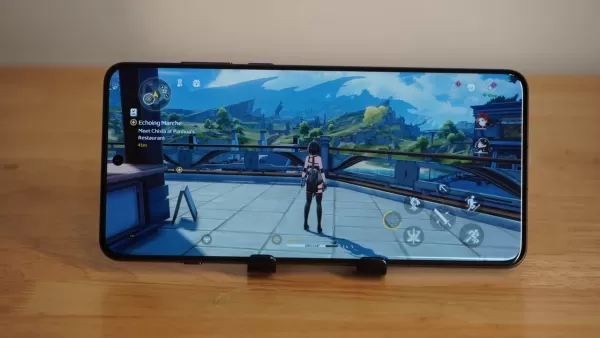
While benchmarks measure theoretical limits, real-world gaming tests show how devices handle actual gameplay. We challenge phones with graphically intensive titles like Call of Duty Mobile, Genshin Impact, and the demanding Wuthering Waves – running each at maximum settings with a 60fps target.
During thirty-minute gaming sessions, we monitor frame rate stability, noting any dips below 50-60fps. If performance suffers significantly, we adjust settings and document optimal configurations. Post-gameplay, we evaluate thermal performance, checking for uncomfortable hot spots around the grip areas – because blistering speed means little if the device becomes uncomfortable to hold.
We also test multitasking capabilities by switching between apps, verifying whether games remain loaded in memory for instant resumption – an essential feature for serious mobile gamers.

Additional Testing
Beyond gaming performance, we assess each phone's daily usability factors: display quality (including color accuracy, brightness, and refresh rate), wireless connectivity, battery endurance, build quality, special features, and camera capabilities.
While gaming-focused phones typically offer excellent displays and battery life, they sometimes compromise on design aesthetics or secondary features. Consequently, our evaluation criteria adapt slightly between gaming-centric and mainstream devices.
What Are the Best Gaming Phones Right Now?
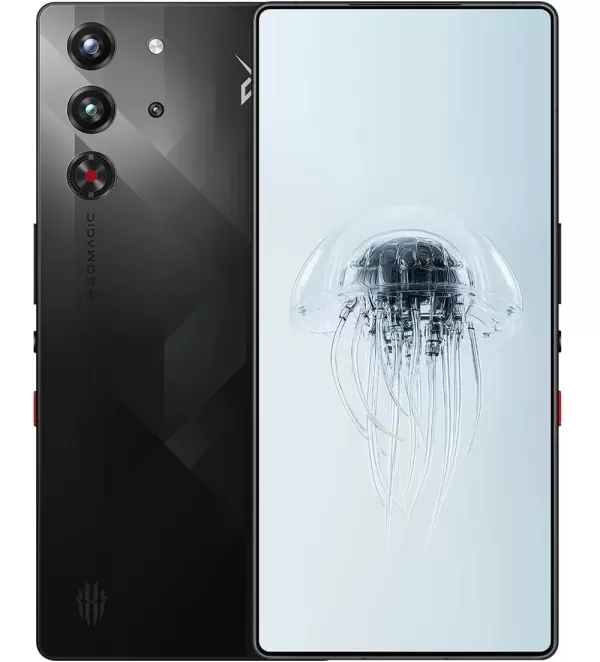
After extensive testing, IGN currently recommends the RedMagic 10 Pro as the top gaming phone, thanks to its outstanding performance and brilliant display. Here are our top-rated gaming smartphones for 2025:
 Best overall
RedMagic10 Pro
18See it at AmazonSee it at RedMagic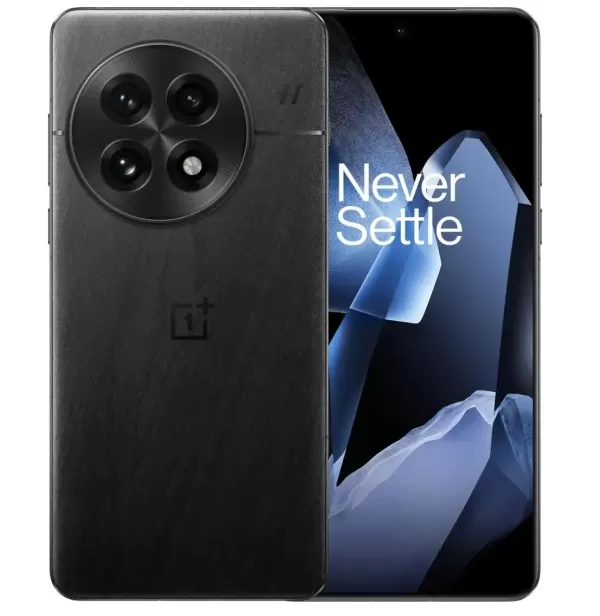
OnePlus 13
4See it at Best BuySee it at OnePlus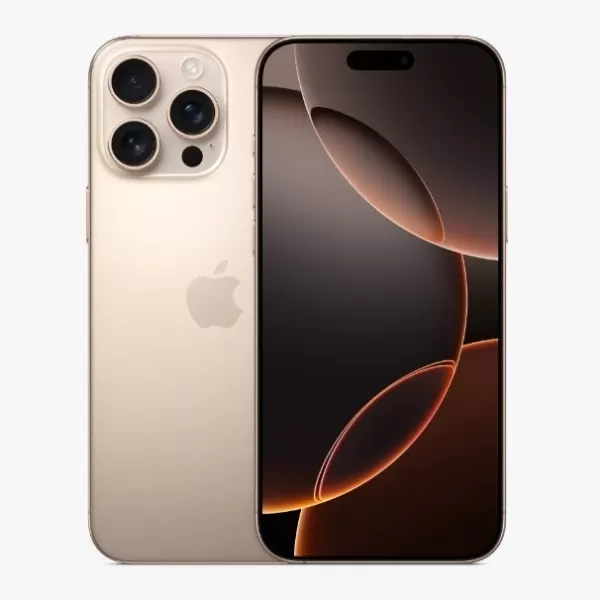
iPhone 16 Pro Max
2See it at Best Buy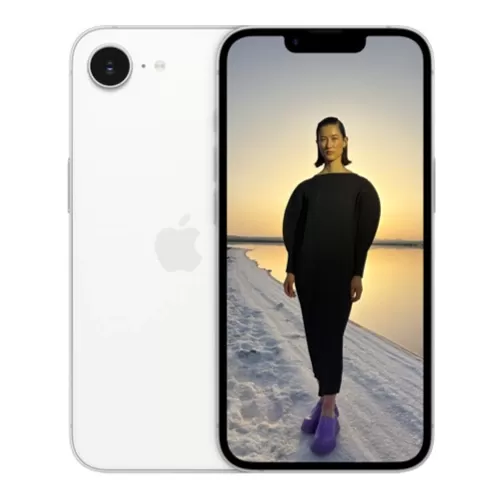
iPhone 16e
3See it at Apple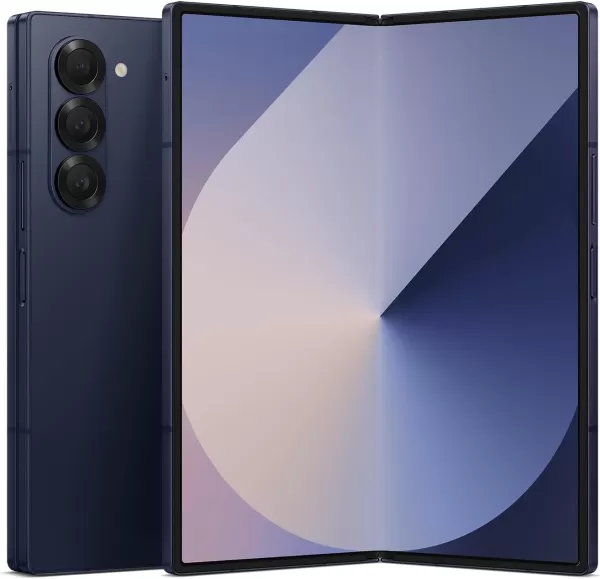
Samsung Galaxy Z Fold 6
8See it at Amazon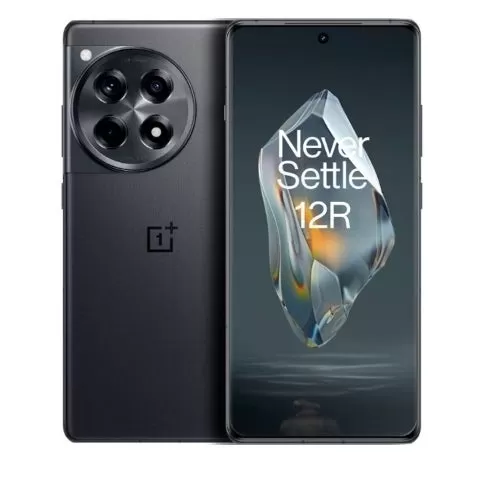







![Amy’s Ecstasy [v0.45 Final]](https://imgs.daqiang.cc/uploads/07/1719551527667e462789d0f.jpg)